Water, steam, foam, salt, and detergents don’t “wear” operators, they destroy them. GDI is engineered for washdown environments so your doors stay reliable, your tunnel stays moving, and downtime stays off the schedule.
It’s not “moisture”, it’s a full-time assault: high-pressure spray, foam, salt, detergents, and heat cycling. Here are the big failure modes we see in wash bays and tunnels.
Exposed fasteners, sprockets, chains, and bearings corrode fast. Once rust starts, friction rises, components seize, and downtime follows.
Spray and condensation find their way into enclosures and conduit. That leads to intermittent faults, sensor errors, and electrical failures.
Alkaline cleaners, foaming detergents, and road salt accelerate deterioration. Heat cycling and steam add another layer of stress.
If you want fewer service calls and less corrosion, spec the operator like you spec the wash equipment, for washdown. Use this as a quick checklist when upgrading or building a new bay.
In wet zones, the best strategy is simple: remove rust points, seal what matters, and make performance measurable. The GDI-HAML mounts direct to the shaft with fewer corrosion-prone wear components.
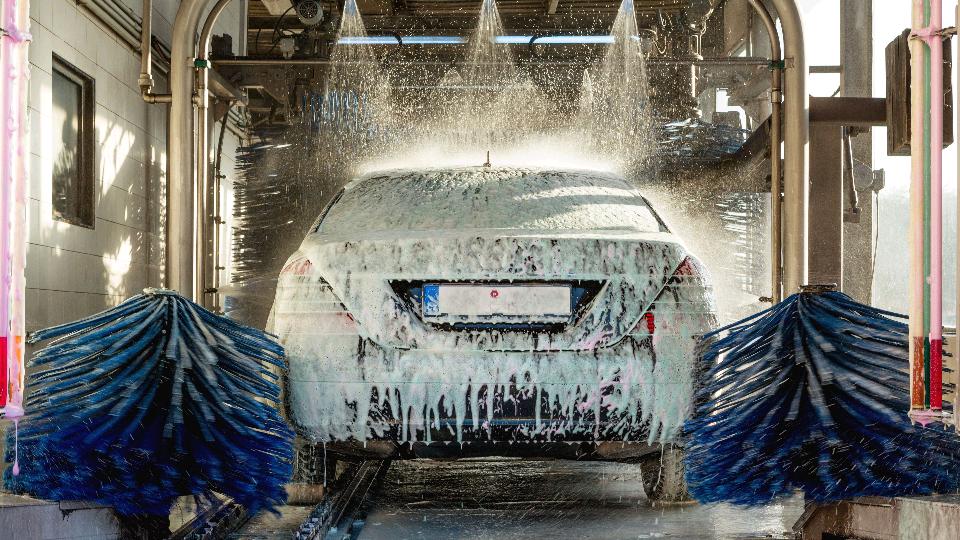
Car wash bays bring constant mist, chemicals, and spray. Standard operators often fail from corrosion, water ingress, and component seizure. GDI’s approach focuses on sealed protection and reducing the parts that typically rust out first.

.png)

This is the environment standard openers hate: spray, steam, and chemical exposure. The right spec keeps wash lines running and reduces corrosion-related failures.
These are the features customers care about most in car washes: reliability under washdown, fewer failure points, and smarter protection for people and property.

Protect controls from washdowns, mist, dust, mud, snow, and chemical drift that causes intermittent failures.
Wet-zone critical
Real-time monitoring of motor movement. No “guessing” based on timing, real data helps prevent overrun behavior.
Real-time monitoring
Obstruction sensing and intelligent responses based on real-time measurements to protect people and equipment.
Safety first
Non-metallic enclosures, treated steel, and stainless options help resist harsh wash chemicals and corrosion.
Chemical exposure ready
Stainless shaft options available for both direct drive and sprocket-to-sprocket operators, great for corrosion-heavy sites.
Corrosion defense
Helps keep operations moving during outages without disrupting wash cycle flow and customer throughput.
Uptime booster
Upgrade existing doors for harsh environments without replacing the entire system, faster change-outs, less downtime.
Faster installs
WiFi-enabled monitoring to flag wear and maintenance needs before failures. ***coming soon***
Predictive mindset
Built-in sensors detect water ingress and can alert to limit damage. ***coming soon***
Wet-zone protectionFast answers for car wash owners, installers, and facility managers.
Best case is outside the direct spray path or in a protected equipment area. If it must live in the bay, treat it like wash equipment: sealed enclosure, washdown-safe routing, and corrosion-resistant hardware.
They’re exposed wear points. Constant mist + chemicals + salt creates rapid corrosion, then friction rises and components seize or stretch. That means more adjustments and more downtime.
Reduce corrosion points and protect electronics. Sealed enclosures and designs that minimize exposed wear components typically cut failures dramatically compared to standard openers in wet zones.
If an outage stops the tunnel, the line stops. Backup power can keep doors operational and reduce customer bottlenecks, especially in busy sites.
Explore the GDI Gallery to see operators installed in car washes, wet zones, and harsh environments.
View the GDI GalleryUpgrade to GDI for washdown durability and higher uptime in wet zones. Tell us your door type, cycle needs, and where the operator sits, we’ll help you spec the right build.